
Published November 24, 2025
Why Your Zillow Estimate Might Be Wrong: And How a Real Agent Actually Values Your Denver Home


You've probably done it. You're curious about your home's value, so you pop your address into Zillow and wait for that magical number: the Zestimate. Maybe you're thrilled by what you see, or maybe you're scratching your head wondering how they came up with that figure. Here's the truth: that number might be way off, and if you're planning to buy or sell in Denver, relying on it could cost you thousands.
Let's break down why Zillow's automated estimates struggle with Denver's unique real estate landscape and how professional agents approach home valuation completely differently.
How Zillow Actually Calculates Your Home's Value
Zillow's Zestimate isn't magic: it's an algorithm that crunches publicly available data. The system analyzes your home's basic characteristics like square footage and bedroom count, pulls location data including neighborhood trends and school district information, examines recent comparable sales, and factors in broader market conditions.
The accuracy varies dramatically depending on whether your home is currently listed for sale. For homes on the market, Zillow reports median error rates between 1.83% and 2.4%. But here's the kicker: for off-market homes (which is probably yours), that error rate jumps to 7.01% to 7.52%. On a $500,000 Denver home, we're talking about potential errors of $35,000 to $37,600.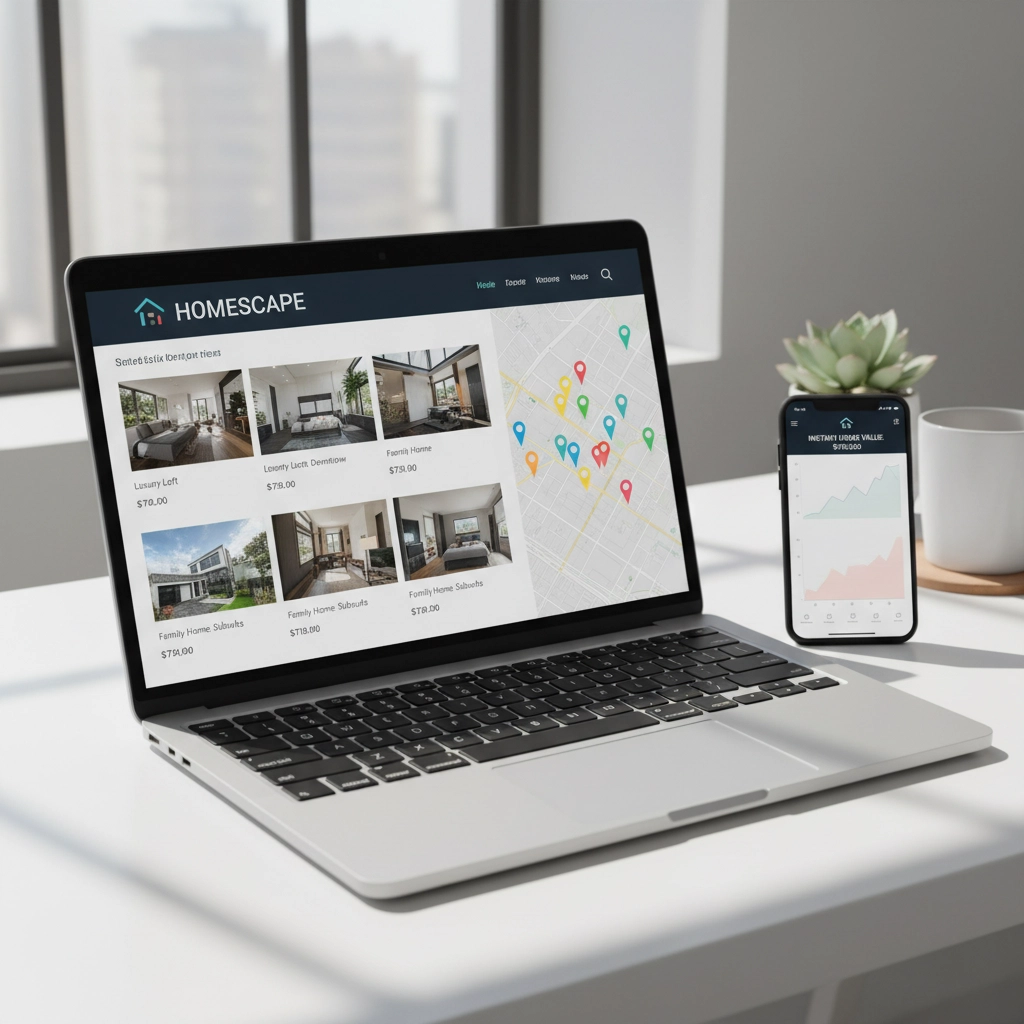
Even with Denver earning Zillow's highest four-star accuracy rating, the numbers tell a different story. According to Zillow's own published data for Denver, their estimates land within 5% of the final sales price only 28% of the time. They hit within 10% about 48% of the time, and within 20% roughly 70% of the time. That means nearly one-third of the time, Zillow's estimate could be off by more than 20%: a massive margin when you're making one of life's biggest financial decisions.
Denver's Urban Challenge: Why Algorithms Struggle Here
Denver presents a particularly tough puzzle for automated valuation models, especially in the city's diverse urban neighborhoods. Picture this: a completely renovated Victorian home with modern updates sits on a tree-lined street in Highlands, while just blocks away, a 1950s ranch with original fixtures backs up to I-70. Both homes might be the same size and age on paper, but their values are worlds apart.
"The computer cannot adequately compare these 'apples and oranges' scenarios," explains the challenge of urban Denver valuations. The algorithm sees similar square footage and lot size, but it misses the nuanced factors that dramatically affect value: street appeal, noise levels, walkability, and the subtle neighborhood dynamics that locals understand intuitively.
This is where Denver's character works against automated systems. Our neighborhoods change dramatically from block to block. Capitol Hill's Victorian charm commands different values than the same-era homes near industrial areas. LoDo's converted warehouses can't be compared using the same metrics as suburban ranch homes in Littleton, even if the square footage matches.
Real-World Examples: When Zillow Gets It Spectacularly Wrong
Consider a recent Aurora renovation project. The homeowners invested $85,000 in a complete kitchen and bathroom overhaul, transforming 1970s fixtures into a modern, high-end space. Zillow's estimate showed only a $15,000 increase because the permits hadn't hit public records yet. When the home sold, it commanded $70,000 above the Zestimate: meaning the algorithm had undervalued the renovation's impact by more than four times.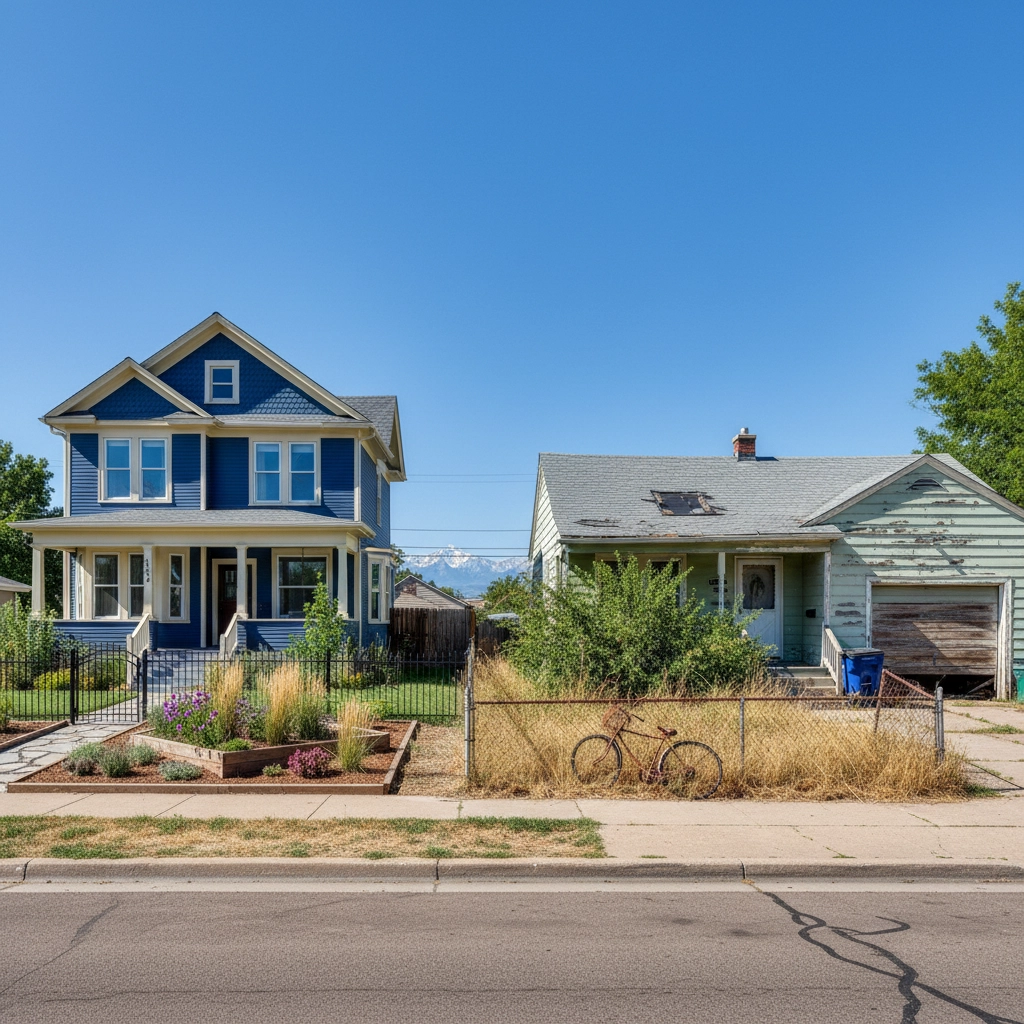
On the flip side, Zillow can overestimate properties that need significant work. A Centennial home showed a Zestimate of $450,000 based on size and location data, but the reality was different. The property needed complete renovation: outdated electrical, failing HVAC, roof problems, and deferred maintenance throughout. The true market value as-is? Closer to $375,000. Sellers relying on that Zestimate would have faced a disappointing reality check.
These aren't rare exceptions. They're common scenarios that highlight why automated systems struggle with the complexities of real estate valuation, particularly in dynamic markets like Denver.
How Professional Agents Actually Value Your Home
When a professional real estate agent evaluates your Denver home, they're not pulling numbers from a database and calling it good. They're conducting what's called a Comparative Market Analysis (CMA): a detailed, human-driven process that considers factors no algorithm can capture.
First, they physically visit your property. They see that beautiful kitchen renovation, notice the hardwood floors you refinished, and evaluate your home's condition honestly. They understand the difference between builder-grade fixtures and quality upgrades, and they know how these improvements translate to actual market value.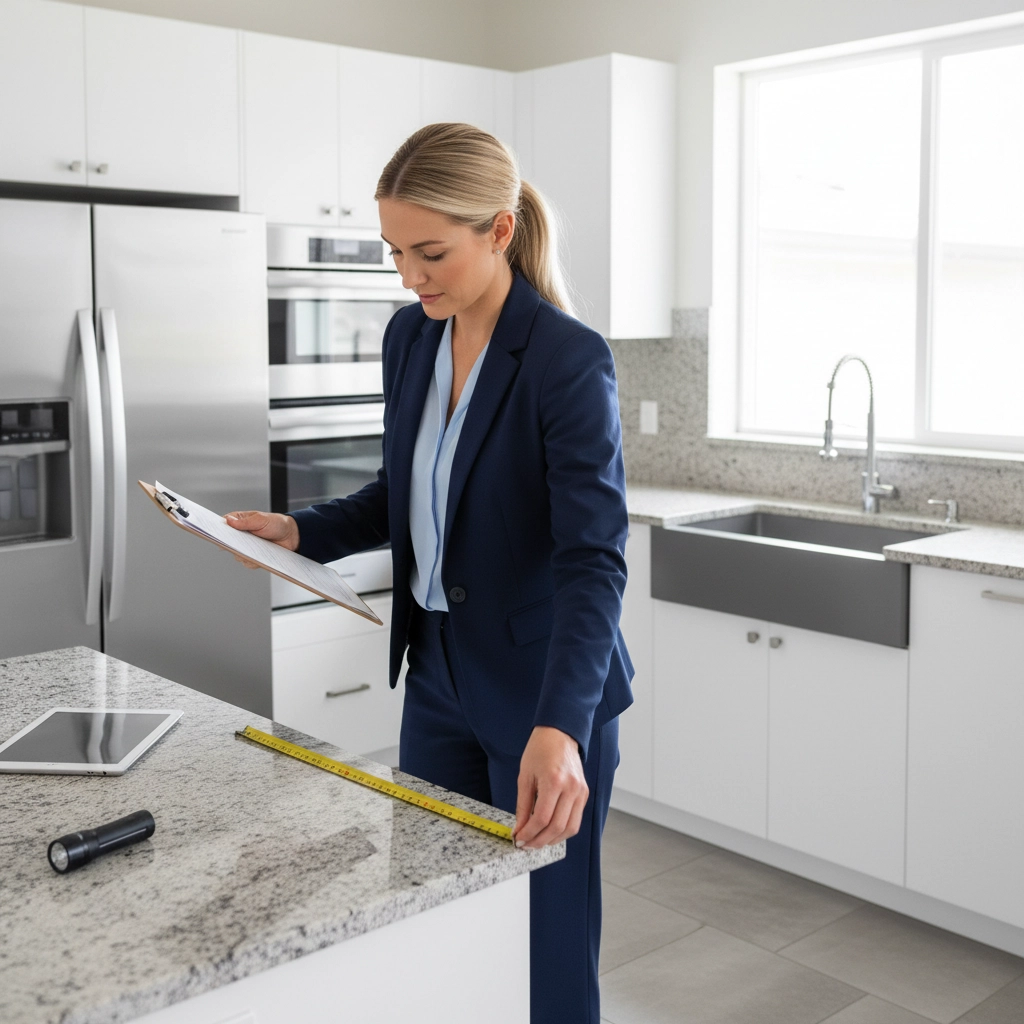
Professional agents pull recent sales data from the Multiple Listing Service (MLS): a comprehensive database that includes details Zillow often misses. They're looking at truly comparable properties: similar size, age, condition, and location. More importantly, they understand which sales are actually comparable and which should be excluded.
Local market knowledge makes the biggest difference. A veteran Denver agent knows that proximity to light rail adds value, that certain school boundaries create premium pricing, and that some blocks command higher prices due to factors like mature trees, better snow removal, or community character. They understand micro-markets within neighborhoods: knowledge that comes from years of working specific areas, not from processing data points.
The Human Element: What Computers Can't Capture
Real estate agents bring contextual understanding that no algorithm can replicate. They know current market conditions intimately. Is inventory low in your neighborhood, creating a seller's market? Are interest rates affecting buyer behavior? How quickly are similar homes selling, and at what percentage of asking price?
They also understand buyer psychology and market trends that affect pricing strategy. Maybe homes with updated kitchens are selling faster and for more money, while properties needing work are sitting longer and selling below asking. These nuanced market dynamics change constantly, and experienced agents adapt their valuations accordingly.
Professional agents also consider your specific goals and timeline. If you need to sell quickly, that affects pricing strategy. If you can wait for the right buyer, that opens different possibilities. Algorithms don't factor in these human elements, but they're crucial for successful real estate transactions.
When Should You Trust Zillow vs. Getting Professional Help?
Zillow's estimates work reasonably well for general curiosity about neighborhood trends or getting a ballpark idea of home values. If you're just wondering whether your home has appreciated over the years, a Zestimate provides a reasonable starting point.
But when it comes to actual buying or selling decisions, professional expertise becomes invaluable. If you're considering selling, an agent's CMA gives you realistic pricing expectations and market positioning advice. For buyers, agent expertise helps you understand whether a listing is priced fairly and how much to offer in competitive situations.
The stakes are too high for guesswork. Real estate transactions involve hundreds of thousands of dollars, and pricing mistakes can cost you serious money: either leaving money on the table as a seller or overpaying as a buyer.
Getting Accurate Home Valuation in Denver
Denver's real estate market rewards expertise and local knowledge. While Zillow's technology continues improving, it can't replace human judgment and market experience when your home's value matters most.
If you're curious about your Denver home's current market value, consider getting a professional comparative market analysis. It's typically free from qualified agents, provides detailed insights into your local market, and gives you accurate pricing information for making informed decisions.
Ready to discover what your Denver home is actually worth? A professional market analysis takes the guesswork out of valuation and gives you the confidence to make smart real estate decisions in our dynamic market.


