
Published November 19, 2025
The Hidden Costs of Owning a Historic Denver Home: From Maintenance Surprises to Tax Impacts

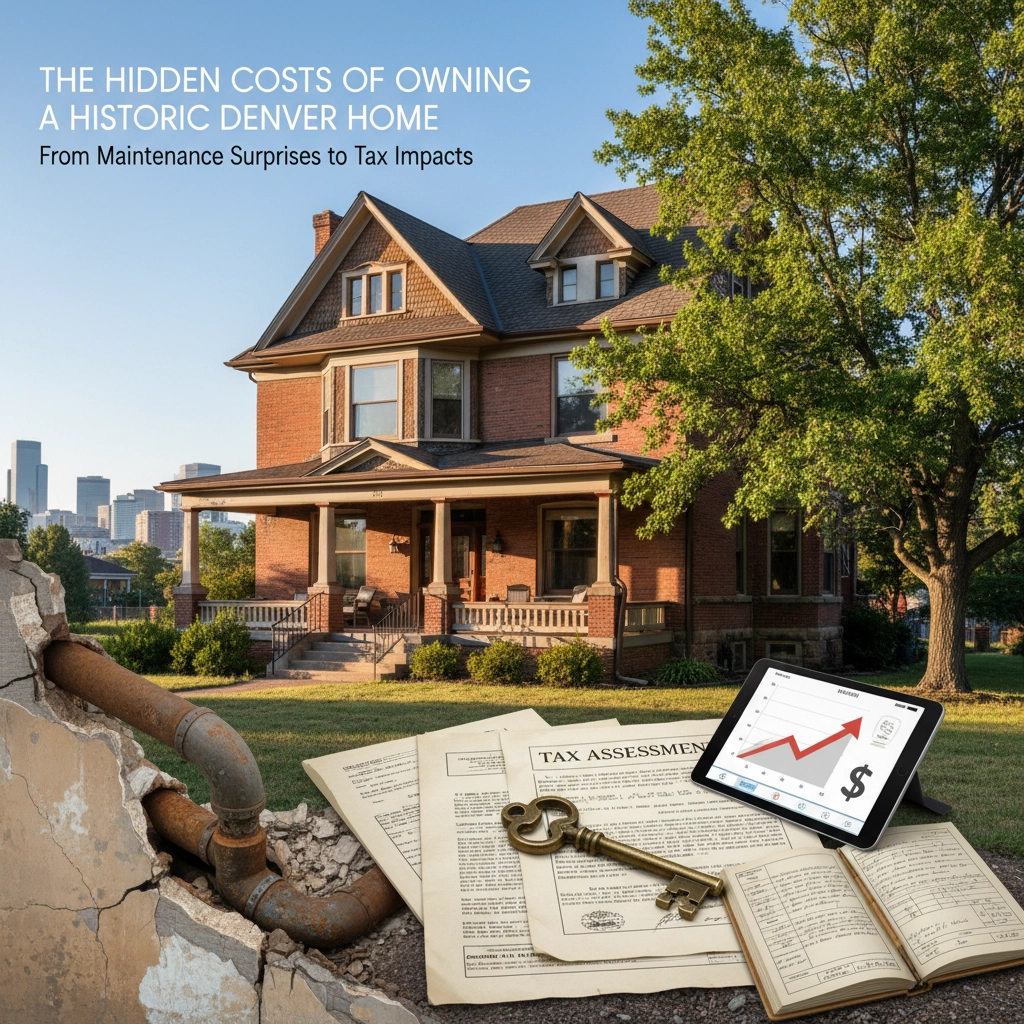
There's something undeniably charming about owning a piece of Denver's history. Those beautiful Victorian mansions in Capitol Hill, the craftsman bungalows in Park Hill, or the Tudor revivals scattered throughout the metro area all tell stories of our city's past. But here's what most people don't realize when they fall in love with these architectural gems: historic homes come with a unique set of financial challenges that can catch even the most prepared buyers off guard.
As someone who's helped dozens of clients navigate Denver's historic home market, I've seen firsthand how these hidden costs can impact your budget. Let's dive into what you really need to know before you sign on the dotted line for that dream historic property.
Denver's Already High Homeownership Costs
Before we even get into historic-specific expenses, let's talk about Denver's overall cost of homeownership. Colorado homeowners face some of the steepest hidden costs in the nation, averaging $25,766 annually in expenses beyond your mortgage payment. That's about 20% higher than the national average of $21,400.
These "hidden costs" include property taxes, utility bills, insurance, and maintenance, with maintenance alone averaging around $8,800 per year. Financial experts typically recommend setting aside 1-3% of your home's value annually for maintenance, but when you're dealing with a historic property, that percentage often needs to be much higher.
The Reality of Historic Home Maintenance
Historic homes are beautiful, but they're also old, and old homes have old problems. In Denver's climate, these issues can be particularly challenging. You're looking at outdated electrical systems that need complete rewiring, foundation problems exacerbated by our expansive clay soils, chimney issues, aging HVAC systems, and those gorgeous original windows that let in drafts (and let out your heating dollars).
But here's where it gets tricky: you can't just fix these problems with materials from Home Depot. Historic homes require historically accurate renovation materials, which can cost significantly more than standard modern alternatives. Need to replace those original hardwood floors? You'll pay premium prices for reclaimed or specially milled wood that matches the era. Want to fix that beautiful but leaky slate roof? Good luck finding affordable slate tiles and contractors who know how to work with them properly.
Unless you happen to be a restoration specialist yourself, you'll need professionals for most repairs. And professionals who specialize in historic properties charge accordingly. A simple plumbing job that might cost $500 in a modern home could easily run $1,200 or more in a historic property if it requires careful navigation around original architectural features.
Navigating Denver's Historic Permitting Process
Here's where things get really interesting (and expensive): the paperwork. Denver has over 400 historic districts and landmarks, and if your property falls within one of these areas, you'll need landmark review approval for any renovations. This isn't just a rubber stamp, it's a thorough process that can add months to your project timeline.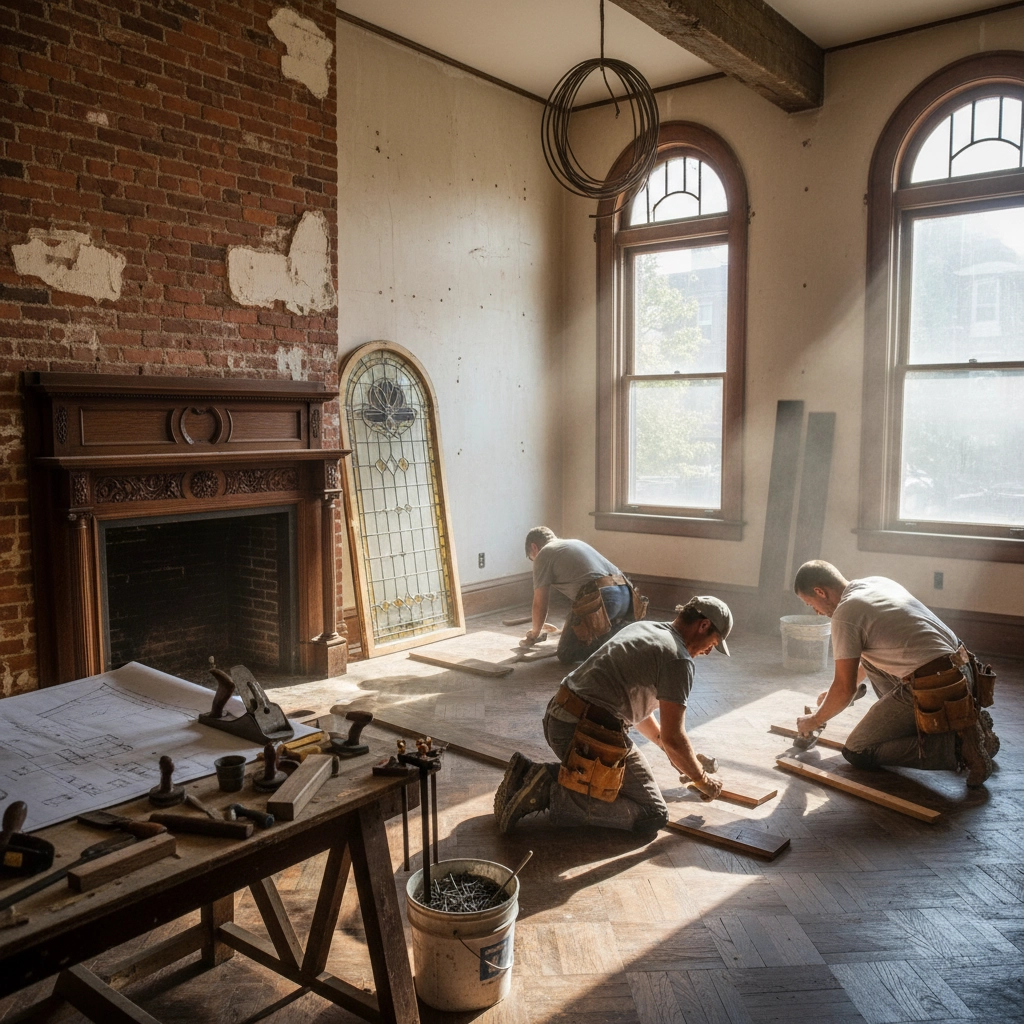
Even basic exterior changes like painting your front door a different color or replacing windows require approval. The city wants to maintain the historic character of these neighborhoods, which means your renovation plans need to meet specific preservation standards. This regulatory environment limits your flexibility and often increases costs if your initial plans don't align with preservation requirements.
Those extended timelines aren't just inconvenient, they're expensive. Every month of delays means additional carrying costs: mortgage payments, property taxes, utilities, and insurance while you're living elsewhere during construction. These costs can add up quickly, especially in Denver's current high-interest environment.
The True Cost of Historic Renovations
Let's break down what a typical historic home renovation in Denver actually costs:
Hard Costs: This includes your contractor bids for structural work, systems upgrades, and finishes. Expect these to run 25-50% higher than similar work in a modern home due to the specialized materials and techniques required.
Soft Costs: Architect and design work, engineering assessments, landmark design drawings, and permit fees. These professional services are essential but often overlooked in initial budgets.
Environmental Testing: Most historic homes require testing and potential abatement for lead and asbestos. In Denver, this can easily run $5,000-$15,000 depending on what's discovered.
Foundation and Drainage: Denver's soil conditions are particularly hard on older foundations. Drainage improvements and foundation repairs are common and costly.
Contingency Reserve: For historic homes, smart buyers set aside 15-25% (or more) beyond their renovation budget for inevitable surprises. Trust me, there are always surprises.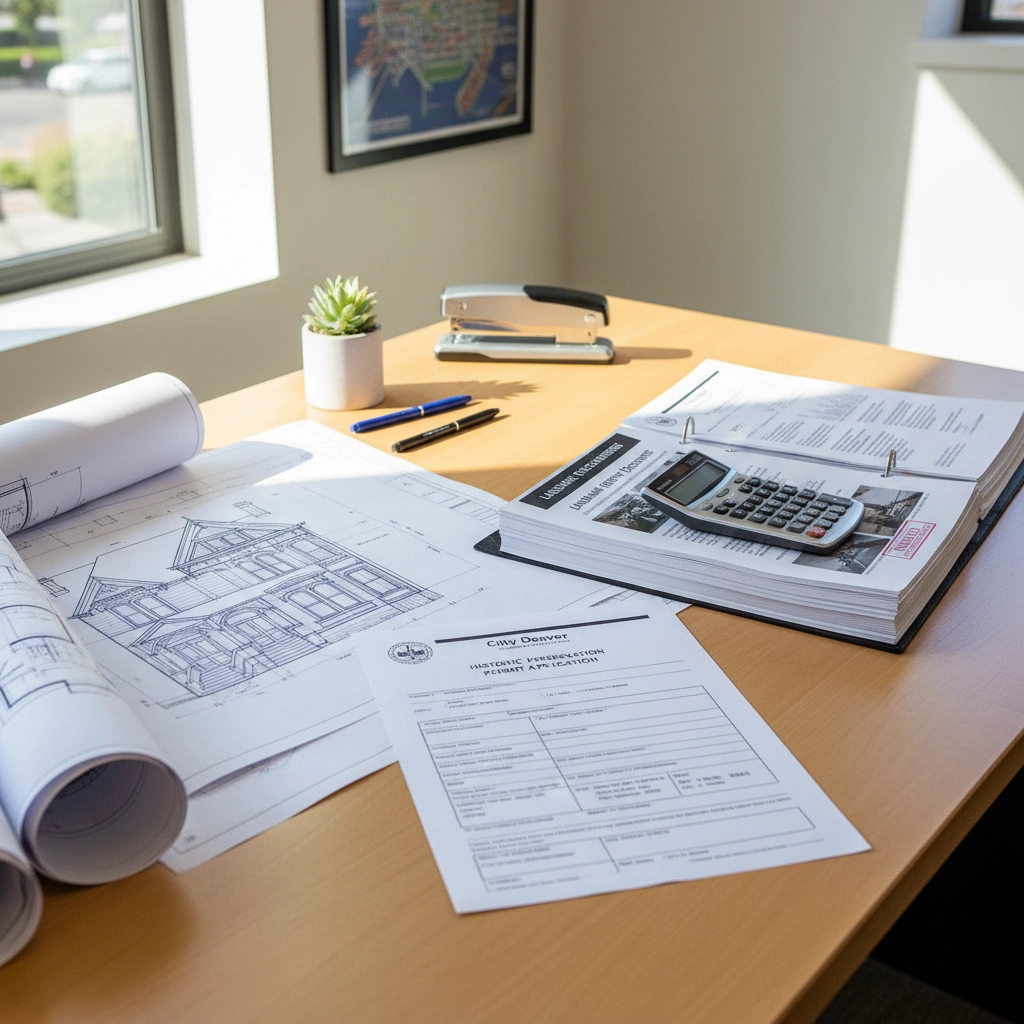
The Silver Lining: Tax Credits and Incentives
Now for some good news. Colorado offers significant tax incentives to offset these higher costs. The state historic preservation income tax credit provides a 20% credit on qualified rehabilitation costs, with a maximum credit of $50,000 per project. For a $250,000 renovation, that's potentially $50,000 back in your pocket.
There's also the federal historic preservation tax credit, which offers a 20% credit on qualifying rehabilitation costs. The catch? This only applies to certified historic structures used for income-producing purposes, like rental properties or commercial spaces.
"The tax credits can make a substantial difference in the overall financial picture," notes one Denver preservation specialist. "A $300,000 restoration project could generate significant tax savings, making the investment much more attractive."
Some homeowners don't realize these programs exist, leaving money on the table. Before you buy, research whether your potential property qualifies for state or federal tax incentives.
Making the Numbers Work
Despite these challenges, historic home ownership in Denver can be financially rewarding with proper planning. Here's how to set yourself up for success:
Budget Conservatively: Plan for maintenance costs of 3-5% of your home's value annually, not the typical 1-3%. This higher reserve will help you handle those inevitable historic home surprises.
Time Your Ownership: Longer ownership periods allow you to spread costs over time and take advantage of tax credits on multiple projects. Short-term flipping is particularly challenging with historic properties due to regulatory delays.
Find the Right Team: Work with contractors, architects, and real estate agents who specialize in historic properties. Their expertise can save you both time and money in the long run.
Research Thoroughly: Before purchasing, understand what's allowed under your property's historic designation and factor those limitations into your long-term plans.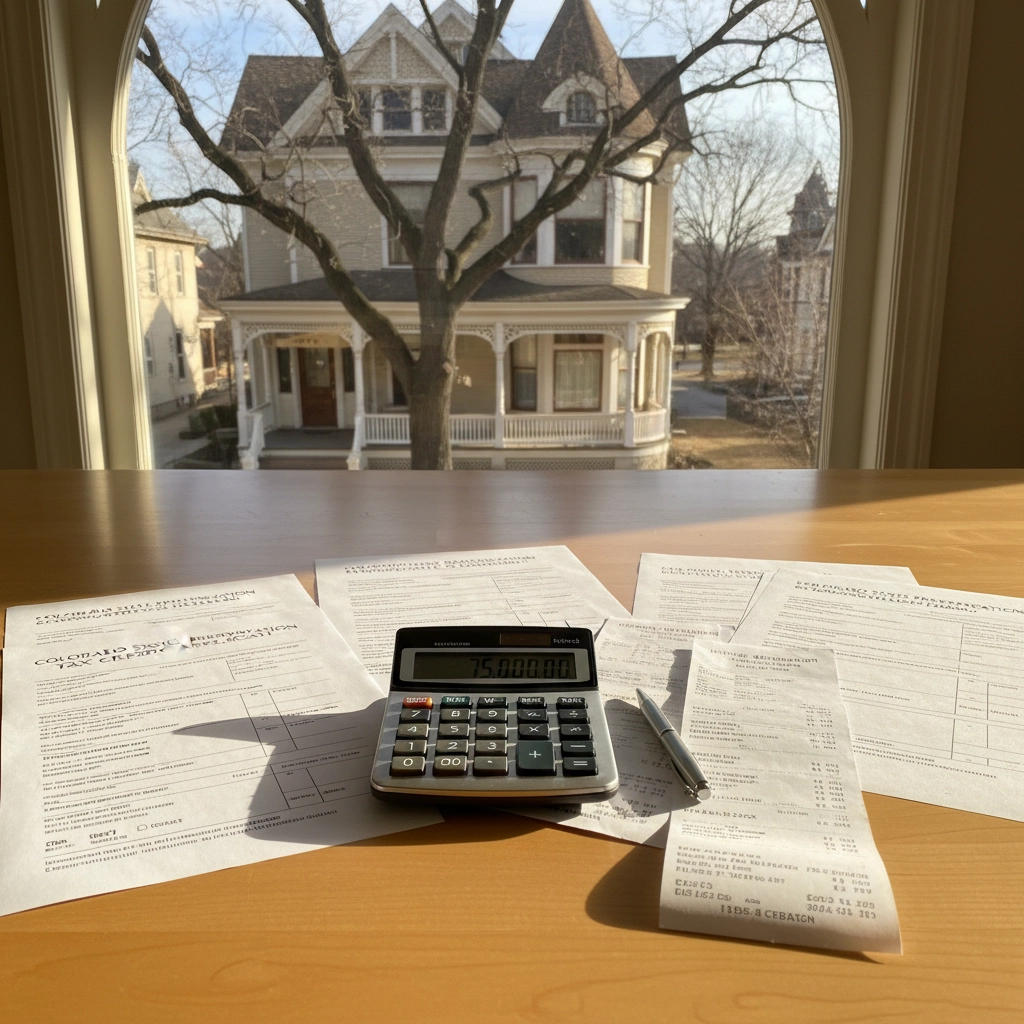
The Bottom Line
Owning a historic Denver home isn't for everyone, but for those who appreciate the unique character and are prepared for the financial commitment, it can be incredibly rewarding. The key is going in with eyes wide open about the real costs involved.
Yes, you'll pay more for maintenance, renovations, and repairs. Yes, the permitting process can be frustrating and time-consuming. But you'll also own a piece of Denver's architectural heritage that often appreciates well over time and provides living experiences you simply can't get in a modern subdivision.
If you're considering a historic home purchase in Denver, I'd love to help you navigate these unique challenges. Understanding the true costs upfront is crucial for making an informed decision that fits your budget and lifestyle.
Ready to explore Denver's historic home market? Let's discuss your options and create a realistic budget that accounts for all these factors. Contact me today to start your historic home journey with confidence.


