
Published November 12, 2025
7 Mistakes Denver Homebuyers Are Making with HOAs (And the New Super Lien Rules You Need to Know)


HOA communities make up a huge chunk of Denver's housing market, especially in newer developments around Aurora, Centennial, and Westminster. But here's the thing – too many buyers are walking into these communities blind, and it's costing them big time. Whether it's surprise fees, restrictive rules, or getting caught up in the new super lien laws, Denver homebuyers need to get smart about HOAs fast.
Let's break down the seven biggest mistakes I'm seeing buyers make, plus what you absolutely need to know about Colorado's game-changing new super lien rules.
Mistake #1: Skipping the HOA Document Deep Dive
This is the big one. You wouldn't buy a car without checking under the hood, but buyers constantly skip reviewing the HOA's governing documents. We're talking about the CC&Rs (Covenants, Conditions & Restrictions), bylaws, and operating rules.
These documents control everything from whether you can park your work truck in the driveway to what color you can paint your front door. I've seen buyers discover after closing that they can't install solar panels, can't have certain dog breeds, or need approval for basic landscaping changes.
The fix: Request these documents during your due diligence period and actually read them. If something feels too restrictive for your lifestyle, walk away.
Mistake #2: Ignoring the HOA's Financial Health
You're not just buying a house – you're buying into a business. That HOA has a budget, reserves, and financial obligations, and if they're struggling, it becomes your problem real quick.
Smart buyers ask for the HOA's annual budget, current reserve study, and recent financial statements. Look for red flags like declining reserves, deferred maintenance, or a history of special assessments. A cash-strapped HOA means higher fees and surprise bills down the road.
The fix: Treat the HOA's finances like you would any investment. If the numbers don't add up, keep looking.
Mistake #3: Underestimating Special Assessments
Regular HOA fees are just the beginning. Special assessments can hit at any time for major repairs, improvements, or emergencies. We're talking roof replacements, pool renovations, or infrastructure updates that can cost homeowners thousands of dollars on top of their monthly fees.
In Denver's older planned communities, aging infrastructure means special assessments are becoming more common. I've seen owners get hit with $5,000-$15,000 bills with just 30 days notice.
The fix: Ask about any planned major projects and recent assessment history. Factor potential special assessments into your budget – they're not if, they're when.
Mistake #4: Not Reading Meeting Minutes
HOA meeting minutes are like a crystal ball for your community's future. They reveal ongoing disputes, upcoming projects, board dynamics, and resident complaints. Skip reading them, and you'll miss crucial insights about what you're buying into.
Pay attention to repeated issues, contentious board meetings, or mentions of legal action. These are all warning signs that your peaceful community might not be so peaceful.
The fix: Request at least the last 12 months of meeting minutes and board communications. Look for patterns and red flags.
Mistake #5: Overlooking HOA Fee Escalation
That $150 monthly HOA fee looks reasonable now, but what about in five years? Many buyers don't research the community's fee increase history or understand what drives costs up.
Denver's aging HOA communities are facing significant infrastructure costs, insurance increases, and maintenance backlogs. What starts as affordable can become a financial burden as costs spiral.
The fix: Ask about the community's fee increase history over the past 5-10 years. Factor realistic annual increases into your long-term budget planning.
Mistake #6: Misunderstanding Enforcement and Fines
HOA rules aren't suggestions – they're legally enforceable contracts. Violate them, and you'll face fines, liens, and potentially even foreclosure. Yet buyers consistently underestimate how strictly their HOA enforces rules.
Some communities are laid-back, others are militant about violations. Know which type you're dealing with before you buy, especially if you have specific lifestyle needs or preferences.
The fix: Ask your agent and current residents about enforcement practices. Drive through the community and look for consistency in property maintenance and rule compliance.
Mistake #7: Not Understanding Super Lien Implications
This is where things get serious. HOA super liens give associations powerful collection tools, including the ability to foreclose on your home for unpaid assessments. Many buyers have no idea this risk exists until they're facing it.
If assessments exceed six months' worth of fees, the HOA can foreclose. Before Colorado's recent law changes, homeowners could lose their homes entirely through this process.
The fix: Understand that HOA fees aren't optional. They're secured by your property, and non-payment has serious consequences.
Colorado's New Super Lien Rules: What Changed in 2025
Here's the game-changer: Colorado recently passed HB24-1337, fundamentally altering how HOA foreclosures work. This law provides crucial new protections for homeowners facing foreclosure.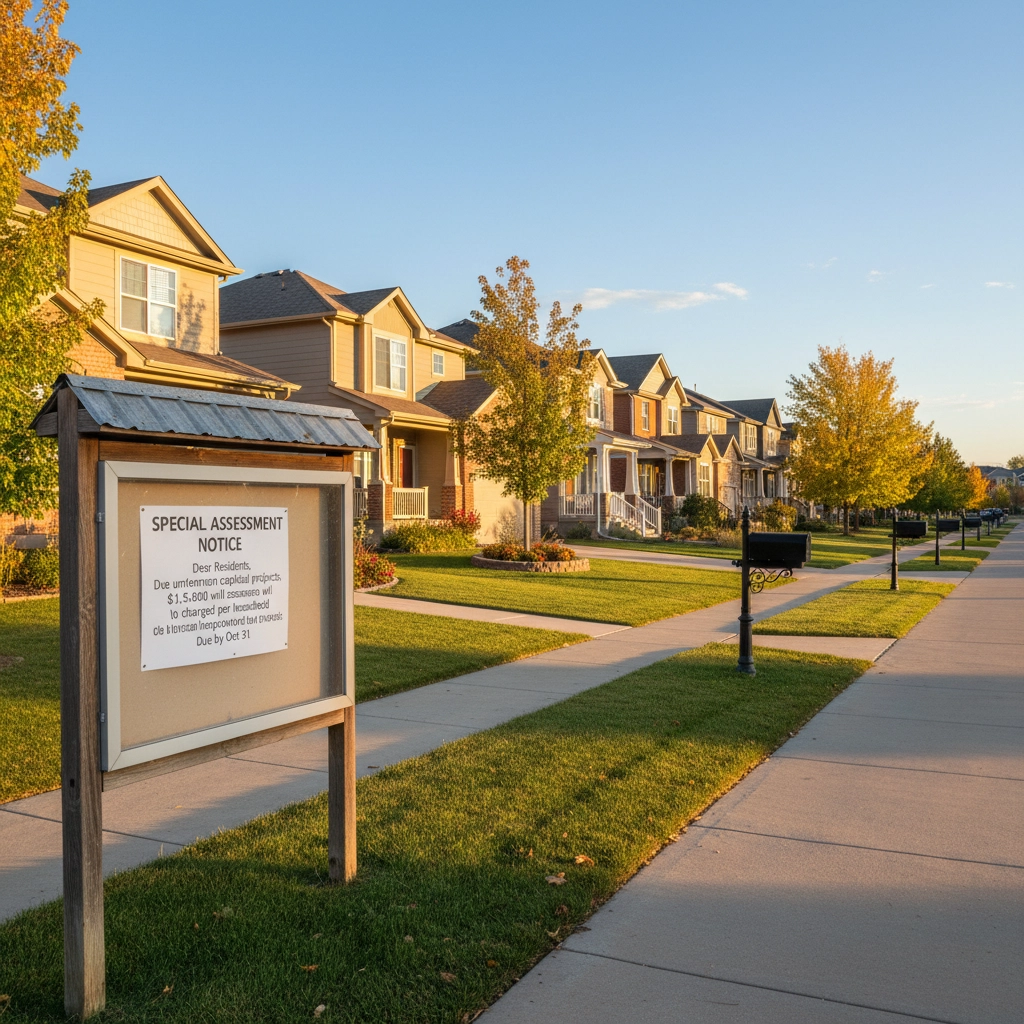
The Right of Redemption
Previously, HOAs could foreclose and sell properties at auction, often for far less than market value, with homeowners losing their homes entirely. Now, homeowners have a 180-day redemption period to buy back their property after a foreclosure sale.
This redemption right also extends to family members, mission-driven nonprofits, and community land trusts, ensuring homes stay in the community rather than going to investors and house flippers.
What This Means for Buyers
The new rules provide a safety net, but don't let that make you complacent about HOA obligations. While you now have redemption rights, going through foreclosure still damages your credit and creates significant stress and costs.
Super Lien Priority Still Matters
HOA super liens still maintain priority over most other liens, including mortgages. Tax liens and government assessments take precedence, but your HOA lien can jump ahead of your mortgage lender in certain situations.
For assessments due in the six months before foreclosure, the HOA's super lien takes priority over even previously recorded mortgages. This means your lender could lose their security interest for a portion of what you owe.
How to Protect Yourself
Before buying:
- Review all HOA documents thoroughly
- Analyze the association's financial health
- Research fee increase history and upcoming projects
- Understand enforcement practices and community culture
After buying:
- Stay current on HOA fees – they're not optional
- Participate in community meetings when possible
- Build a budget cushion for special assessments
- Know your rights under the new redemption law
The bottom line? HOA communities can offer great amenities and property value protection, but only if you do your homework upfront. Don't let these common mistakes turn your dream home into a financial nightmare.
If you're considering an HOA property in the Denver metro area, connect with our team to make sure you're asking the right questions and protecting your investment from day one.


